Where Europelearns to cook
A curated atlas of the continent's most respected culinary schools, pastry academies and chef-training programmes — from a riverside campus in Paris to an organic farm in East Cork.
Find your kitchen
Eight kitchens that shape European gastronomy
Each school below is a real, established institution. We profile programmes, facilities and contact details, and always link to the official website so you can confirm intakes, fees and admissions directly.
 Editor's method
How to choose a culinary school in Europe
A diploma is not a destination. The right school depends on your ambitions, your budget and the cuisine that speaks to you.
- Define the outcomeProfessional career, career change, specialist pastry skills or a week of joyful learning? Programmes differ enormously in depth and length.
- Match the cuisine to the placeFrench classical technique, Italian regional cooking, Basque innovation or Irish farm-to-table — teaching reflects terroir.
- Check the practical ratioAsk how many hours you'll spend cooking versus watching, and whether an internship is included.
- Verify everything officiallyIntakes, languages, visas and fees change. Confirm all details on the school's official website.
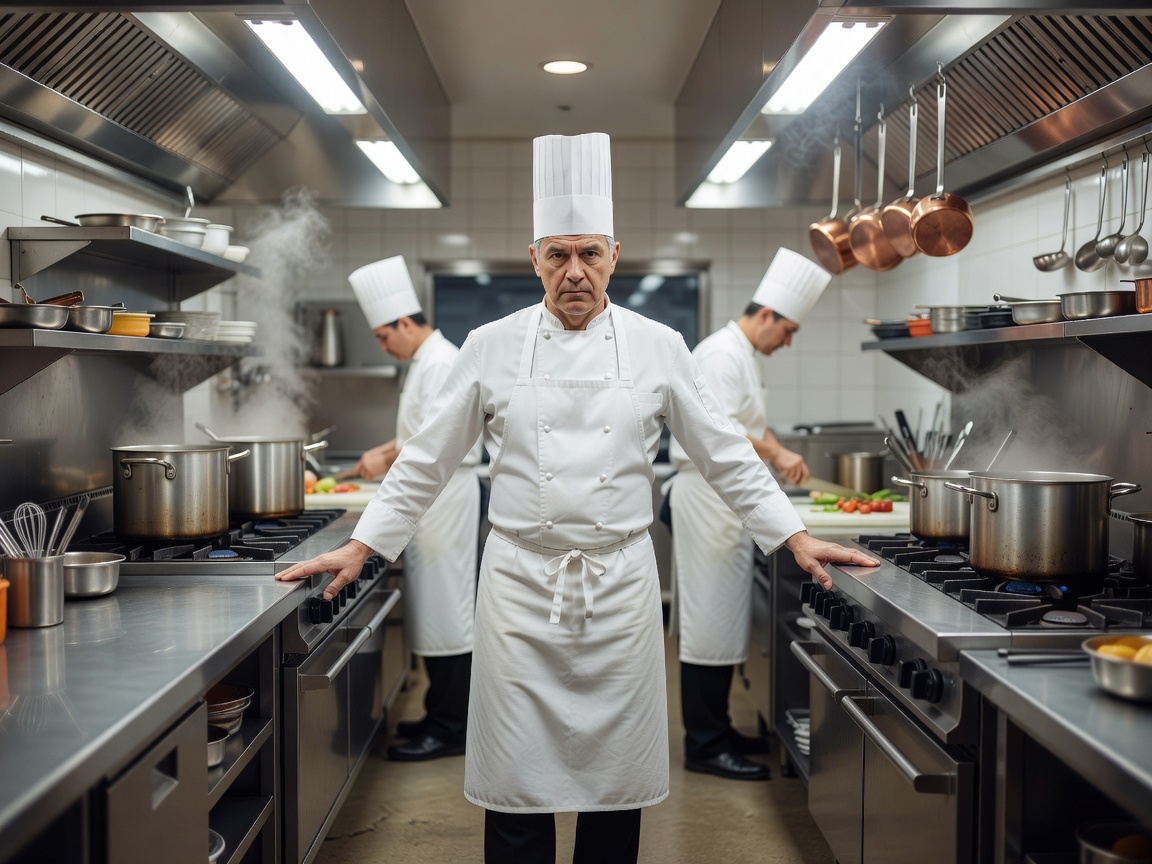
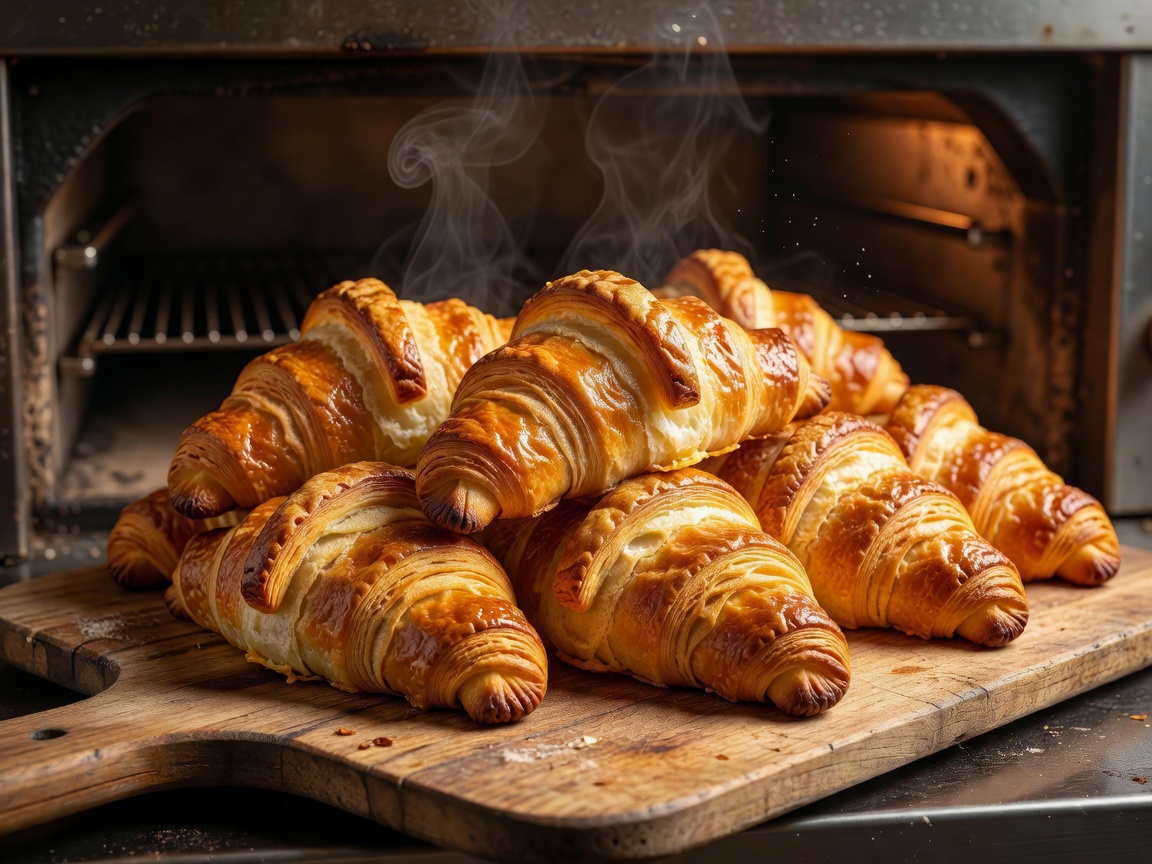
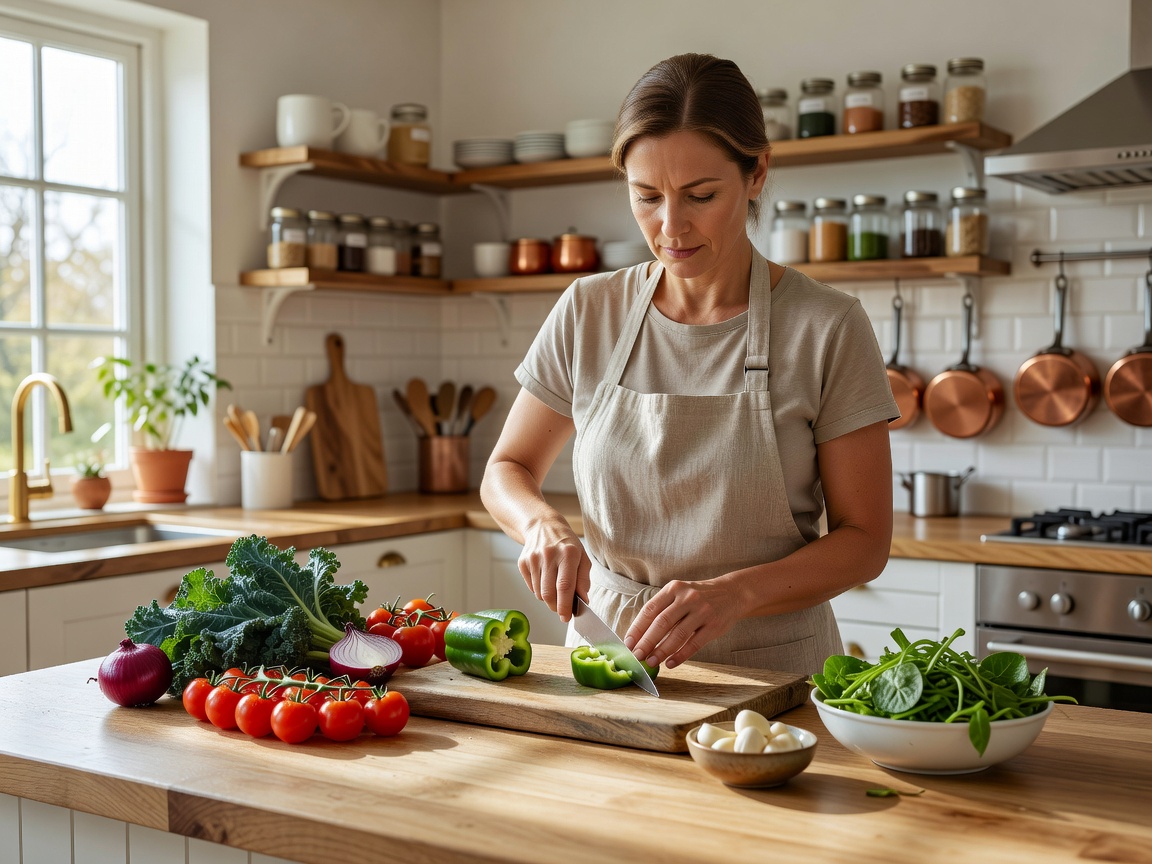
Four paths into the kitchen
From the precision of the pastry lab to the pace of the professional brigade, start with the discipline that suits you.

The directory in numbers
Before you enrol: questions worth asking
Do I need kitchen experience?
Many foundational diplomas and certificate courses accept complete beginners. Advanced or postgraduate programmes usually require prior professional experience or a relevant qualification. Each school sets its own admission criteria.
What language is teaching in?
Several schools run English-taught international programmes, while others teach in the local language with translation or require language proficiency. Confirm directly with the school before applying.
Will I need a visa?
Students from outside the EU or UK typically need a study visa for longer programmes. Schools with international intakes often provide guidance, but immigration rules are set by national authorities.
Are internships included?
Some professional programmes — particularly in France and Italy — build a restaurant or pastry-shop internship into the course. Others offer careers support instead. Ask how placements are arranged.
Editorial perspective
“A great cookery school teaches the hand, the palate and the patience — the recipe is the least of it.”— Culinary Atlas Europe editorial desk
We are an independent editorial directory. We do not sell places, take commissions on enrolments or process payments.
Our profiles are built from public information published by each institution, and every listing links to its official website so that admissions, fees and contracts are always handled directly by the school.
About our editorial standards