From a single evening to twelve weeks
The phrase “cooking course” covers an enormous range — understand the format before you book.
- Workshops & demonstrationsA few hours focused on one theme — bread, knife skills, a regional cuisine. Ideal for city breaks.
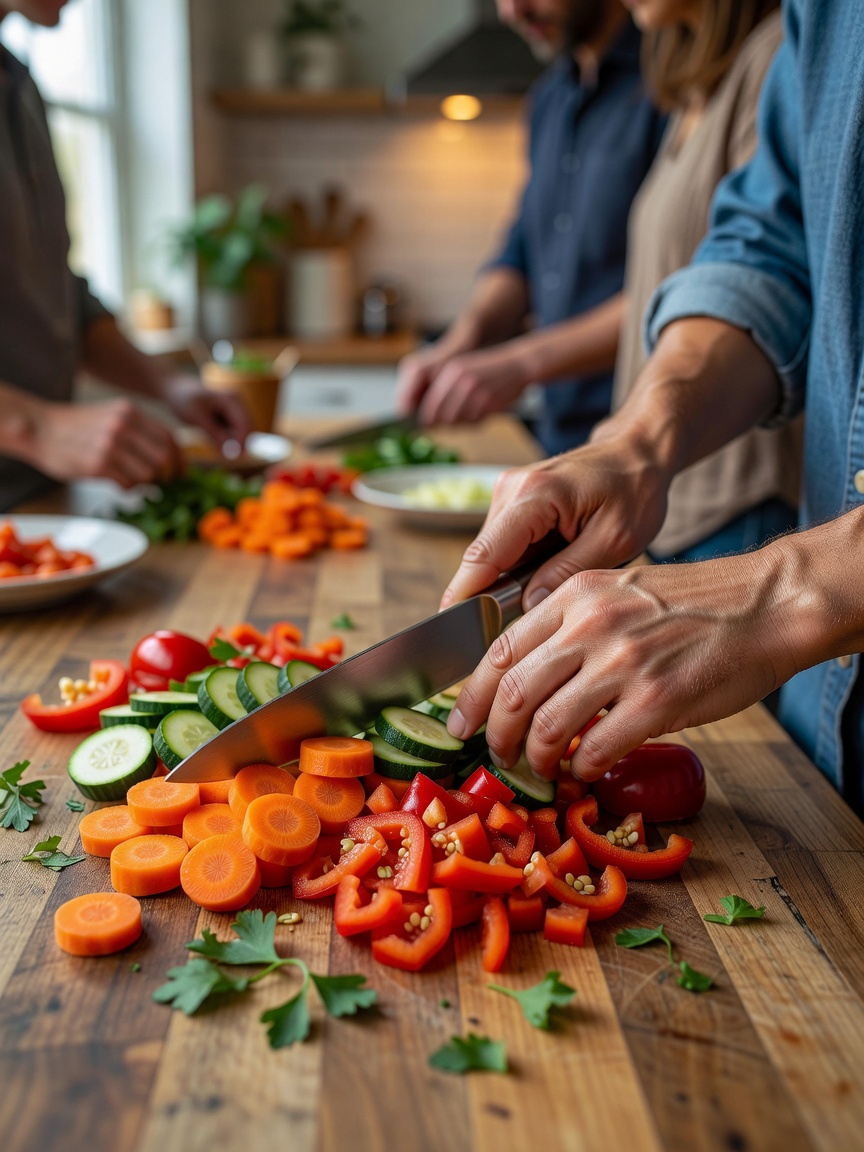
- Day and weekend coursesHands-on immersion with a full menu cooked from scratch, often ending around a shared table.
- Residential weeksMulti-day programmes, sometimes with accommodation, combining cooking with markets, farms and producers.
- Intensive certificatesCourses such as Ballymaloe's 12-Week Certificate sit between enthusiast and professional training.
Where to take a course
Each of these institutions publishes regular short courses for non-professionals. Check the official website for the current calendar.
Booking a cooking course abroad
How far ahead should I book?
Popular courses — especially weekend and seasonal classes — can fill months in advance. Longer residential certificates often have application deadlines. Always book directly via the school's official site.
Which language are short courses taught in?
UK and Irish schools teach in English. Paris and San Sebastián schools offer selected courses in English; check each course listing for the language of instruction.
What should I bring?
Schools usually provide aprons and equipment. Comfortable closed-toe shoes are typically required. Some courses invite you to bring containers to take dishes home.
Are dietary requirements accommodated?
Many schools can adapt where possible, but some technique-focused classes centre on specific ingredients. Contact the school before booking.